
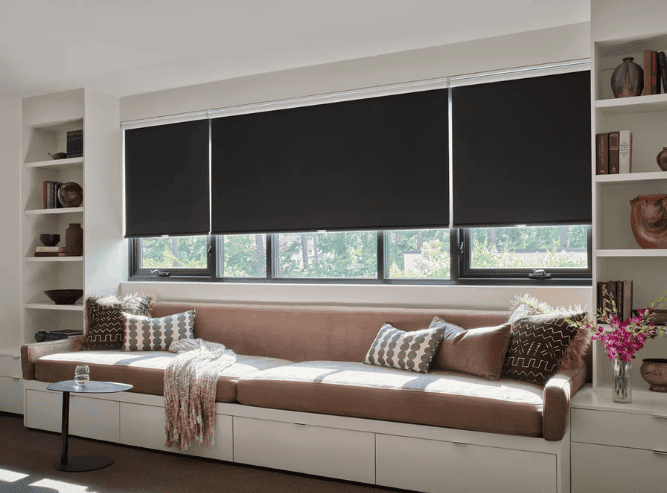
Understanding Your Winter Window Needs
Addressing your home’s specific window needs during winter is crucial for maintaining a comfortable living environment and ensuring optimal energy efficiency. Cold weather presents unique challenges, as windows can be significant sources of heat loss and drafts if not properly equipped.
Ignoring these needs can lead to higher heating bills and a less inviting atmosphere inside your home. By proactively assessing your windows, you can implement solutions that not only enhance comfort but also contribute to significant energy savings throughout the colder months.
Exploring options like roller shades can be a starting point for improving your home’s winter performance. Understanding these requirements is the first step toward a warmer, more energy-efficient home, as detailed in guides on how to choose the right window coverings for your home insulation and why custom shades for windows are a smarter long-term investment. For example, learning about why sun shades are a great choice can help you make informed decisions.
Why Winter Window Coverings Matter
Window coverings play a vital role in regulating indoor temperature during winter. They act as an additional layer of insulation, helping to keep warm air inside and cold air out. This not only improves comfort but also reduces the workload on your heating system, leading to potential energy savings. For those in Vaughan seeking effective solutions, exploring options like local blinds in Vaughan can provide tailored benefits.
Appropriate window coverings play a vital role in insulating your home during winter, directly impacting energy savings and overall comfort. Windows can account for a substantial portion of a home’s heat loss, making the choice of coverings a critical factor in combating the cold. For example, learning about winterizing your home with window shades can provide valuable insights.
Investing in effective window treatments means reducing the workload on your heating system, leading to lower energy bills and a more consistent indoor temperature. This not only saves money but also contributes to a cozier and more pleasant living space throughout the winter season.
The right window coverings, such as those discussed in our article on maximizing your home’s energy efficiency with top window treatment tips, can make a noticeable difference. For a deeper understanding of their impact, consider reviewing the best window treatments for home insulation tips for more.
| Window Treatment Type | Winter Insulation Effectiveness | Energy Saving Potential | Aesthetic Appeal |
|---|---|---|---|
| Heavy Drapes | High | High | Luxurious, versatile |
| Cellular Shades | Very High | Very High | Modern, sleek |
| Roller Shades | Moderate | Moderate | Minimalist, clean |
| Roman Shades | High | High | Elegant, textured |
Best Window Coverings for Winter
Selecting the right window coverings is essential for enhancing your home’s warmth and energy efficiency during the winter months. Various options offer unique insulating properties and aesthetic qualities to suit different needs and styles. When looking for the perfect fit, consider finding best local window treatment stores to explore the widest range of products and expert advice.
Cellular Shades for Maximum Insulation
Cellular shades are a top choice for winter insulation due to their unique honeycomb structure, which traps air and creates an effective barrier against heat loss. For more information on how to personalize your window treatments, explore our guide on custom window treatment options for more.
Cellular shades are a top choice for winter insulation due to their unique honeycomb structure, which traps air and provides an excellent thermal barrier. These shades are highly effective at preventing heat loss, making them a smart investment for any home looking to reduce energy consumption. Learn more about how custom shades can be a smarter long-term investment for your home, and discover some of the 5 best easy to clean window treatments for more.
Cellular shades, also known as honeycomb shades, are highly effective for winter insulation due to their unique air-trapping design. The air pockets created by their cellular structure act as a natural barrier, significantly reducing heat transfer and keeping your home warmer.
Drapes and Curtains for Layered Warmth
Heavy drapes and thermal curtains provide an excellent layer of insulation. When closed, they create a barrier against cold air, preventing drafts from entering your living space. They also add a touch of elegance and warmth to your decor, much like the functional beauty found in a zebra blinds vs roller blinds comparison guide for more.
Roman Shades for Stylish Thermal Performance
Roman shades offer a sophisticated look while contributing to your home’s winter insulation. Available in various fabrics, including thermal-backed options, they can effectively block cold air and retain indoor heat, blending style with functionality, and are a great option for those seeking privacy window solutions that also allow light.
Roller Shades with Insulating Properties
Modern roller shades can also be beneficial for winter insulation. Many come with specialized linings or are made from denser materials that help reduce heat loss, offering a clean and contemporary solution for colder climates. For more information on how to get your windows winter ready, check out our guide on how to get your windows winter ready for more.
DIY vs. Professional Winter Window Solutions
Deciding between a DIY approach and professional installation for your winter window solutions involves weighing cost, time, and desired outcomes. While DIY can offer savings, professional installation ensures optimal performance and longevity for your window treatments.
For those considering a DIY project, applying window film can be a straightforward method to add a layer of insulation. This process involves careful preparation and application to ensure a smooth, bubble-free finish.
Understanding the nuances of both approaches is key to making an informed decision. Resources on DIY window treatments vs. professional installation can provide valuable insights into choosing the best path for your home, and if you’re looking for blinds in Vaughan, Sun Shades is the top choice. For more information on specific window treatments that offer privacy without sacrificing light, check out our guide to privacy shades for windows for more.
- Clean the window thoroughly with glass cleaner and a lint-free cloth.
- Measure the window pane precisely and cut the insulation film to size, allowing a small overlap.
- Lightly spray the window pane with water.
- Carefully apply the film, starting from one edge and smoothing it out to remove air bubbles.
- Trim any excess film with a sharp utility knife.
- Allow the film to cure as per the manufacturer’s instructions before opening or closing the window.
Installing Window Insulation Kits
For more advanced insulation needs, consider exploring custom window treatments that offer superior energy efficiency and aesthetic appeal. Learning about how custom treatments can save on electricity can help you make a smart investment for your home.
Effectively installing window insulation kits is paramount to maximizing their performance in reducing heat loss and drafts. Proper installation ensures that the kit creates a tight seal, effectively preventing cold air from entering your home and warm air from escaping.
When considering insulation kits, it’s important to follow manufacturer instructions closely. This often involves cleaning the window frame, applying double-sided tape, and carefully stretching a plastic film across the window, then sealing it with a hairdryer to shrink it taut.
Key considerations when installing these kits include ensuring a complete seal around the entire window frame and checking for any potential gaps or tears in the plastic film. For more detailed advice on improving your home’s overall energy efficiency, consider exploring options like Newmarket window treatments for more.
- Measure accurately: Ensure you have the correct measurements for your windows to purchase the right size kit.
- Clean surfaces: Thoroughly clean window frames and sills to ensure the adhesive tape adheres properly.
- Seal all edges: Pay close attention to sealing all edges of the plastic film to prevent air leakage.
- Taut application: Use a hairdryer to shrink the film tightly for a clear, secure fit and optimal insulation.
- Avoid obstructions: Ensure the film does not interfere with the operation of window locks or opening mechanisms.
Choosing Winter Window Covering Materials
The selection of materials for your winter window coverings significantly influences their insulating capabilities, durability, and overall aesthetic. Understanding the properties of different fabrics and components is key to making an informed choice.
Fabrics with denser weaves, thermal linings, or inherent insulating qualities are ideal for combating cold weather. Materials like heavy cotton, velvet, wool, or specialized thermal fabrics can create a significant barrier against heat loss.
When choosing materials, consider their durability and ease of maintenance, especially if you plan on frequent use or cleaning. Exploring options like buying drapes and curtains made from suitable winter fabrics can offer both warmth and style.
Understanding Thermal Linings
Thermal linings are specially designed fabrics that can be added to curtains or drapes to enhance their insulating properties. These linings create an extra barrier that traps air, helping to keep your home warmer in winter and cooler in summer, which is why many choose them as part of their overall top window treatment choices for more.
The Benefits of Natural Fibers
Natural fibers such as wool and heavy cotton are excellent choices for winter window coverings. They possess inherent insulating qualities that help regulate indoor temperatures and add a cozy texture to your decor. Their durability also ensures long-lasting performance, and you can further enhance your home’s efficiency by exploring our options for transform your home with stylish and energy efficient window shades.
Synthetic Insulating Materials
Modern synthetic materials and technologies offer advanced insulating capabilities. Many window coverings are now made with specific weaves or coatings designed to reflect heat back into the room, providing an efficient and often more affordable alternative, like the options found in the Hunter Douglas smart shades promo for more.
Energy Efficiency with Smart Window Coverings
Modern smart window coverings offer an advanced approach to enhancing energy efficiency in your home, integrating seamlessly with smart home systems. These technologies allow for automated control, optimizing insulation and comfort levels throughout the day.
By programming smart shades to adjust based on sunlight or temperature, you can automatically manage heat gain and loss. This intelligent control maximizes your home’s energy efficiency without requiring constant manual adjustments. Explore how automating your home can further enhance comfort and savings.
Features such as automated scheduling and integration with smart thermostats make these coverings a powerful tool for energy management. For those interested in motorized options, exploring motorized blinds to transform your space can open up new possibilities for convenience and efficiency.
- Automated Scheduling: Set specific times for window coverings to open or close, maximizing natural light and heat during colder days or insulating effectively at night.
- Smart Home Integration: Connect your window coverings with systems like Google Assistant or Amazon Alexa for voice control and integration with other smart devices.
- Temperature Sensors: Some smart systems can react to ambient temperature, automatically adjusting coverings to maintain optimal indoor climate.
- Sunlight Tracking: Advanced systems can adjust coverings based on the sun’s position, optimizing for warmth in winter and shade in summer.
Maintaining Your Winter Window Coverings
Proper maintenance of your winter window coverings is essential to ensure their longevity and continued effectiveness in insulating your home. Regular cleaning and care will prevent dust buildup and fabric wear, preserving their functionality and appearance.
Different types of window treatments require specific cleaning methods to avoid damage. Following recommended care instructions will help maintain the insulating properties and aesthetic appeal of your chosen coverings. For those looking to enhance their home’s ambiance, exploring options like Mississauga drapery can transform your space into a tranquil oasis.
For detailed guidance on caring for your window treatments, consult resources such as our guide on how to clean your blinds and shades. This will ensure you can keep your drapes and other coverings in excellent condition throughout the winter. For more information on maintaining your window fashions, check out our window fashion care tips for more.
- Dusting: For blinds and shades, use a microfiber cloth or vacuum attachment to gently remove dust from slats or fabric surfaces weekly.
- Spot Cleaning: For fabric coverings like drapes or Roman shades, spot clean minor stains immediately with a mild detergent and water, blotting gently.
- Deep Cleaning Drapes: Check care labels; some drapes can be machine washed on a gentle cycle with cold water, while others require professional dry cleaning.
- Washing Blinds/Shades: For washable blinds, remove them from the mounts and wash in lukewarm water with a mild soap, rinsing thoroughly and allowing them to air dry completely.
- Drying is Key: Ensure all components are completely dry before remounting to prevent mold or mildew growth.
Expert Tips for Winter Window Coverings
To keep your home cozy and energy-efficient during the colder months, consider exploring options like window shades designed for winter. These can significantly help in retaining heat and reducing your heating bills. For more information on selecting the right window treatments, check out our guide on how to pick the right window treatments for your home.
Investing in the right window coverings for winter can significantly enhance your home’s comfort and reduce energy costs. Our experts offer practical advice to help you make the most effective choices for your home. For inspiration on how window treatments can elevate your space, explore ways to make your home look more expensive.
Prioritize coverings with excellent thermal properties, such as cellular shades or heavy drapes, to create an effective barrier against heat loss. Proper installation and regular maintenance are also key to maximizing their benefits.
By consulting professionals and staying informed on the latest solutions, you can ensure your home remains warm and energy-efficient. Learn more about maximizing efficiency by visiting maximizing your home’s energy efficiency.
Properly insulated windows can reduce heat loss by up to 30%, leading to significant savings on heating bills during the winter months.
Benefits of Professional Window Covering Installation
Opting for professional installation of your winter window coverings ensures a perfect fit and optimal performance, maximizing energy efficiency and aesthetic appeal. Professionals possess the expertise and tools to handle complex installations accurately and efficiently.
A professional installation guarantees that your window coverings are fitted correctly, sealing out drafts and retaining heat effectively. This precision minimizes energy loss and prevents potential issues that can arise from improper fitting. For long-term value, consider custom shades for windows for more.
The advantages extend beyond just a perfect fit; professionals can also offer valuable insights into the best window treatment solutions for your specific needs and home. Explore our services for expert assistance, or learn more about the contrast in our DIY vs. professional installation guide. For long-term value, consider custom shades for windows as a smarter investment.
- Precise Fit and Finish: Ensures coverings hang perfectly and seal effectively, preventing drafts and maximizing insulation.
- Expert Knowledge: Installation professionals understand different window types and the best methods for secure and efficient mounting.
- Time and Hassle Savings: Avoid the stress and time commitment of DIY installation, especially for complex or large window treatments.
- Warranty Protection: Professional installation often comes with a warranty, providing peace of mind and recourse if issues arise.
- Maximized Energy Efficiency: Correct installation is critical for ensuring window coverings perform as intended in reducing heat loss.
Stay Warm and Stylish This Winter
Investing in appropriate window coverings is a smart strategy to combat winter’s chill while enhancing your home’s aesthetic appeal. By choosing functional and stylish options, you can create a cozier environment and achieve significant energy savings.
Explore the wide range of solutions available, from thermal drapes to cellular shades, and discover how they can transform your living space. Don’t let the winter blues affect your home’s comfort; take proactive steps to improve insulation and warmth. Learn more about layering window treatments for both style and function.
For personalized recommendations and expert assistance, consider contacting our team to discuss your needs. You can find more tips on improving your home’s energy efficiency by visiting our winter window treatment guide for more. For a deeper dive into making smart, long-term choices, explore why custom shades are a smarter investment.
Frequently Asked Questions
Navigating the world of window coverings can bring about many questions. Here, we address some of the most common inquiries to help you make informed decisions for your home’s winter needs. For example, understanding the ultimate guide to layering window treatments can help you maximize both style and insulation.
| Question | Answer |
|---|---|
| What are the best window coverings for blocking cold drafts? | Cellular shades, heavy thermal drapes, and Roman shades with insulating linings are excellent choices for blocking cold drafts and retaining heat. |
| How do I measure my windows for winter coverings? | Measure the width of your window frame at the top, middle, and bottom, and the height from the top frame to the sill. For inside mounts, subtract a small amount from the width and height; for outside mounts, add overlap. |
| Can window coverings actually lower my heating bill? | Yes, effective window coverings act as an insulating layer, reducing heat loss through windows and decreasing the demand on your heating system, which can lead to lower energy bills. For more on this, see our energy efficient shades for more. |
| What is the difference between a thermal lining and a regular curtain? | A thermal lining is a specialized fabric layer added to curtains or drapes designed to enhance insulation by trapping air, whereas regular curtains primarily serve decorative and light-filtering purposes. |
| How often should I clean my winter window coverings? | Frequency depends on the type of covering and your home environment. Generally, dusting blinds and shades weekly and cleaning drapes or curtains every 6-12 months is recommended. Always check the manufacturer’s care instructions. |