

Mastering Layered Window Treatments
Layered window treatments offer a sophisticated approach to enhancing your home’s interior, seamlessly blending style with essential functionality. By combining different window coverings, you can achieve a unique aesthetic that complements your decor while also gaining superior control over light, privacy, and energy efficiency. This comprehensive guide will explore how layering can transform your windows into beautiful and practical design elements.
Discover the art of combining textures, materials, and operational types to create window treatments that are as beautiful as they are functional. From managing harsh sunlight to ensuring complete privacy, layered solutions provide a versatile and elegant answer to everyday window covering challenges. We encourage you to explore the myriad of options available to craft stunning and practical window designs tailored to your home, such as exploring privacy shades for windows that still allow light, and consider why custom shades for windows are a smarter long-term investment. You can also learn more about stylish and energy efficient window shades to further enhance your home’s appeal.
This guide delves into the core principles, popular combinations, and styling tips for layered window treatments, empowering you to make informed decisions. Whether you’re seeking enhanced insulation, better light management, or simply a more refined look, understanding layering is key to unlocking your windows’ full potential. For those in the Vaughan area, consider exploring why Sun Shades is the top choice for your window covering needs.
What Are Layered Window Treatments?
Layered window treatments involve the strategic combination of two or more distinct window covering products, installed together to achieve specific aesthetic and functional objectives. This method allows for a dynamic interplay of elements, where each layer serves a purpose, contributing to the overall design and performance of the window area. Understanding this fundamental concept is the first step toward creating harmonious and effective window solutions. When considering your options, remember that finding the right local window treatment stores can significantly impact your project’s success.
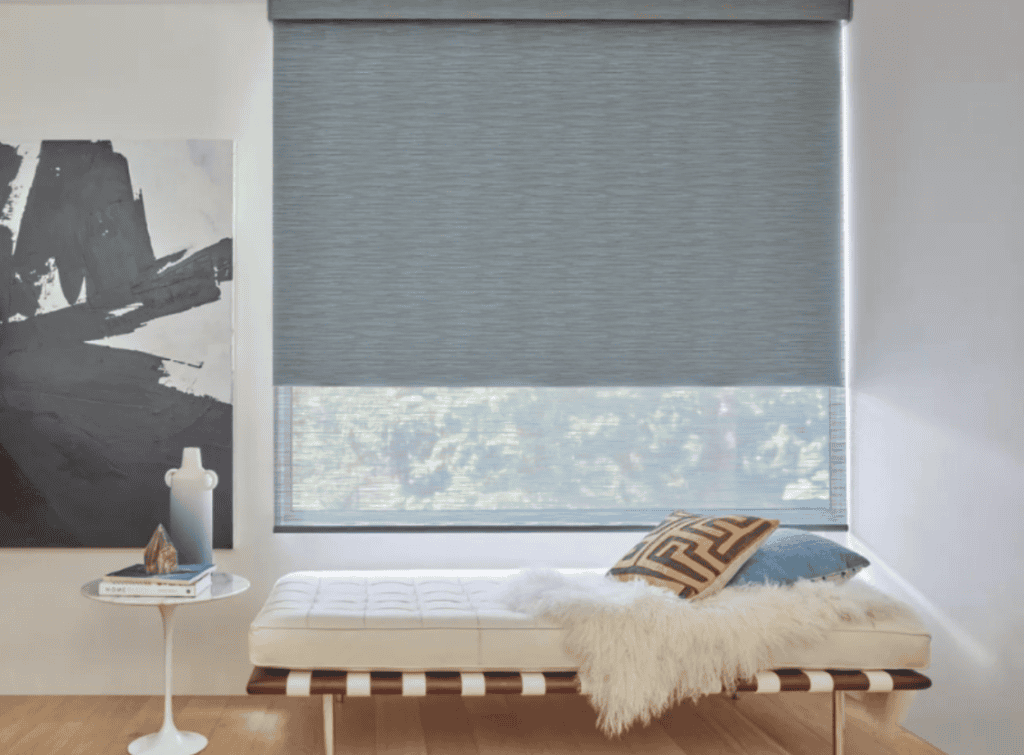
The essence of layered window treatments lies in their ability to offer flexibility. For instance, a sheer shade can provide daytime privacy and diffuse light, while a heavier drapery can be drawn at night for enhanced privacy and insulation. This adaptability ensures that your windows can be dressed for any occasion, mood, or need, making them a highly versatile choice for modern homes.
By combining different types of window coverings, homeowners can achieve a multi-dimensional look that adds depth and character to a room. This approach moves beyond single-solution window treatments to create a more visually interesting and practically superior outcome, tailored to individual preferences and household requirements. Explore the possibilities of combining various treatments to suit your unique style and functional demands, such as privacy window solutions, and consider why blinds are ideal for your home.
Why Layer Your Window Treatments?
Layering your window treatments offers a multitude of benefits that significantly enhance both the aesthetic appeal and the practical functionality of your home. This method provides unparalleled control over your environment, allowing you to tailor the ambiance of any room with ease. By embracing layered solutions, you can elevate your home’s comfort, privacy, and energy efficiency, all while achieving a sophisticated decorative statement, especially when considering privacy window solutions that don’t block light.
Enhanced Light Control and Privacy
One of the most significant advantages of layered window treatments is the superior control they offer over natural light and privacy. Combining sheer elements with opaque coverings allows you to adjust the light entering a room throughout the day. For instance, sheer curtains can soften harsh sunlight, reducing glare and UV damage to furnishings, while blackout blinds or drapes can be deployed for complete darkness, ideal for bedrooms or media rooms. When choosing between different types of blinds, a helpful zebra blinds vs roller blinds comparison can clarify which option best suits your needs for light management and aesthetics.
Improved Energy Efficiency
Window treatments play a crucial role in regulating your home’s temperature, thereby reducing energy consumption. Properly selected and layered window coverings can act as an insulating barrier, keeping your home cooler in the summer and warmer in the winter. This not only contributes to a more comfortable living environment but also leads to significant savings on heating and cooling bills, making them a smart investment for any homeowner looking to reduce energy costs for more.
Layering window treatments can play a crucial role in enhancing your home’s energy efficiency. The air trapped between layers of fabric or between a blind and a curtain acts as an insulator, helping to keep your home cooler in the summer and warmer in the winter. This reduces the need for excessive heating and cooling, potentially leading to lower energy bills and a more comfortable living environment year-round.
Increased Aesthetic Appeal and Depth
Layering adds a sophisticated dimension to your interior design, creating visual interest and depth that a single window covering cannot achieve. Mixing textures, colors, and patterns between layers, such as pairing textured blinds with flowing drapes, can introduce personality and style. This technique allows for greater customization, enabling you to craft a unique look that perfectly complements your home’s decor. Explore personalized window treatments for your space.
Sound Dampening Capabilities
The additional layers of fabric in a well-designed window treatment system can help to absorb sound. This is particularly beneficial in urban environments or homes with hard flooring, where external noise or internal echoes can be a concern. By adding soft materials like drapes over blinds or shades, you can create a quieter, more tranquil atmosphere within your home, and these privacy shades for windows offer both light and style.
Popular Layered Window Treatment Combinations
Combining different window treatments is an art form that allows for both enhanced functionality and striking visual appeal. By carefully selecting pairings, you can achieve specific results related to light control, privacy, and insulation. Below is a comparison of some popular layered window treatment combinations, outlining their respective pros and cons to help guide your decision-making process. For instance, understanding the benefits of custom shades can lead to a smarter long-term investment in your home’s aesthetic and efficiency, as detailed in our guide on custom shades for windows for more.
Selecting the appropriate fabrics and materials is paramount when designing layered window treatments, as they dictate both the look and the performance of your window coverings. Understanding the properties of different materials will empower you to make informed choices that align with your aesthetic preferences and functional requirements, such as exploring options for preserving your furnishings for more.
- Linen: Known for its natural texture and elegant drape, linen offers a sophisticated, airy feel. It’s moderately light-filtering and provides a good base for layering, though it can wrinkle.
- Cotton: Versatile and widely available, cotton fabrics come in various weights and patterns. They offer good durability and can be treated for added features like flame resistance or blackout capabilities.
- Velvet: For a touch of luxury and superior insulation, velvet is an excellent choice. Its plush texture absorbs sound effectively and provides excellent light blocking, making it ideal for bedrooms or formal living areas.
- Sheer Fabrics (Voile, Chiffon): These lightweight materials are perfect for the primary light-filtering layer. They diffuse sunlight beautifully, maintain a sense of openness, and add a soft, ethereal quality to the window design.
- Polyester Blends: Often chosen for their durability, wrinkle resistance, and affordability, polyester blends can mimic the look of natural fibers while offering enhanced performance. Learn more about choosing window treatments for your home.
Our team understands that the right fabric choice can transform a window treatment from merely functional to a stunning design element. We often recommend considering the room’s purpose and the desired ambiance when selecting materials, ensuring that texture, weight, and opacity work together harmoniously to achieve the perfect balance of style and function.
Tips for Styling Layered Window Treatments
Styling layered window treatments effectively involves a thoughtful approach to mixing and matching elements to create a cohesive and visually appealing design. By considering various aspects from texture to hardware, you can achieve a polished look that enhances your home’s interior. If you are looking for blinds in Vaughan, consider that Sun Shades is the #1 choice for quality and selection.
Consider the Base Layer
Begin by selecting a foundational layer that addresses your primary functional needs. This might be a functional blind for light control or privacy, or a simple shade. For example, consider the top reasons to choose sun shades for your window treatments, as they offer excellent versatility. Ensure this base layer complements the decorative elements you plan to add on top.
Mix Textures and Patterns
Don’t be afraid to combine different textures and patterns. For instance, pair a smooth, solid-colored roller shade with textured drapes, or a subtly patterned blind with a plain, luxurious fabric. The key is to create visual interest without overwhelming the space. Aim for contrast that enhances rather than clashes. For more ideas on combining different types of window coverings, explore our blinds vs curtains comparison.
Hardware is Key
The right curtain rods, finials, and tie-backs can elevate your layered window treatments significantly. Choose hardware that matches your style—whether it’s sleek and modern, ornate and traditional, or simple and rustic. Ensure the rod is sturdy enough to support the weight of all your chosen layers, and consider how stylish and energy efficient window shades can further enhance your decor.
Consider Window Size and Shape
For wider windows, consider using multiple panels of drapery or ensuring your curtain rod is sufficiently long to allow the panels to stack back without obscuring too much glass. For bay windows or corner windows, you may need custom solutions or specially designed hardware to accommodate the angles. Learn about treatments for bay windows for more.
Layered Treatments for Different Rooms
The application of layered window treatments can be adapted to suit the unique needs and styles of various rooms within a home, ensuring both aesthetic harmony and practical performance across your living spaces. Each room presents different requirements for light control, privacy, and decorative flair, making layering an ideal solution for tailored window dressing.
In living rooms, layering can create a welcoming atmosphere with the flexibility to adjust for daytime entertaining or evening relaxation. Bedrooms benefit immensely from layers that offer complete darkness for sleep, such as blackout drapes over cellular shades, while bathrooms require robust privacy solutions. Kitchens might benefit from easy-to-clean materials and treatments that can withstand humidity, combined with decorative touches. Even home offices can leverage layering for glare reduction during work hours and a sophisticated look. For specific guidance on selecting treatments for different areas, explore our optimal blind settings for every room.
Exploring how different combinations perform in specific environments is key. For example, using light-filtering sheer curtains in a dining room can create a soft ambiance for meals, while heavier, insulated drapes in a family room can enhance comfort and reduce energy costs. Understanding these room-specific needs allows for a more effective and personalized approach to selecting and styling your layered window treatments. For bathrooms, consider the best window coverings for privacy without blocking light, ensuring both seclusion and natural light. You can also explore the benefits of smart home integration with the Hunter Douglas smart shades promo for enhanced control.
Maintaining Your Layered Window Treatments
Proper maintenance is essential to ensure the longevity and continued aesthetic appeal of your layered window treatments. Different materials require specific care, and a consistent approach to cleaning will preserve their beauty and functionality.
Regular dusting with a soft cloth or a vacuum cleaner attachment is a good starting point for most fabrics and blinds. For washable materials like cotton or some synthetics, spot cleaning or gentle machine washing (following manufacturer instructions) may be appropriate. More delicate fabrics, such as silk or velvet, might require professional dry cleaning to prevent damage. It is always advisable to consult the care instructions for each component of your layered treatment to avoid irreparable harm.
For blinds and shades, follow specific cleaning guidelines. Wood blinds may need conditioning, while vinyl or aluminum blinds can typically be wiped down. Cellular shades often require gentle vacuuming to remove dust. By adhering to these maintenance practices, you can ensure that your investment in beautiful and functional layered window treatments remains a source of enjoyment for years to come. For specific advice on easy-to-clean options, check out our guide to the 5 best easy to clean window treatments for more.
Elevate Your Space with Layered Treatments
In conclusion, layered window treatments offer a versatile and elegant solution for enhancing both the style and functionality of any home. By thoughtfully combining different window coverings, you gain superior control over light, privacy, and energy efficiency, all while adding significant decorative depth and character to your interiors.
This guide has explored the fundamental concepts, compelling benefits, popular combinations, and practical styling advice for creating sophisticated layered window designs. Whether you’re aiming for a cozy bedroom retreat, a bright and airy living space, or a functional home office, layering provides the flexibility to achieve your vision.
We encourage you to consider how layered window treatments can transform your home. For expert advice and a wide selection of quality window coverings, consulting with our professionals can help you navigate the choices and find the perfect solutions tailored to your unique needs and aesthetic preferences. You can also explore our guide on how to pick the right window treatments for your home.
Frequently Asked Questions
Here you will find answers to common questions regarding layered window treatments, designed to provide quick insights and clarity on the topic.
| Question | Answer |
|---|---|
| Can any window treatment be layered? | Generally, most window treatments can be layered, but compatibility depends on the specific products, hardware, and window space. Combining rigid treatments like blinds with soft treatments like drapes is very common and effective. |
| How do I choose the right hardware for layered treatments? | Hardware selection is crucial. You’ll need a sturdy rod that can support the weight of multiple layers. Double curtain rods are ideal for hanging two distinct treatments (e.g., blinds and curtains), while single, robust rods with rings can accommodate drapes layered over shades or blinds. |
| Are layered treatments more expensive than single treatments? | Layered treatments can be more expensive due to the cost of multiple products and potentially more complex hardware. However, the added benefits in terms of functionality, energy efficiency, and aesthetic value often justify the investment. |
| What is the difference between layering and just using multiple blinds? | Layering typically involves combining different types of window coverings, such as a blind or shade with curtains or drapes, to achieve both functional and decorative goals. Using multiple blinds might be for wider windows or specific control, but often lacks the softness and decorative dimension that layering with fabric adds. For more on combining different styles, explore our Mississauga drapery options for more. |