
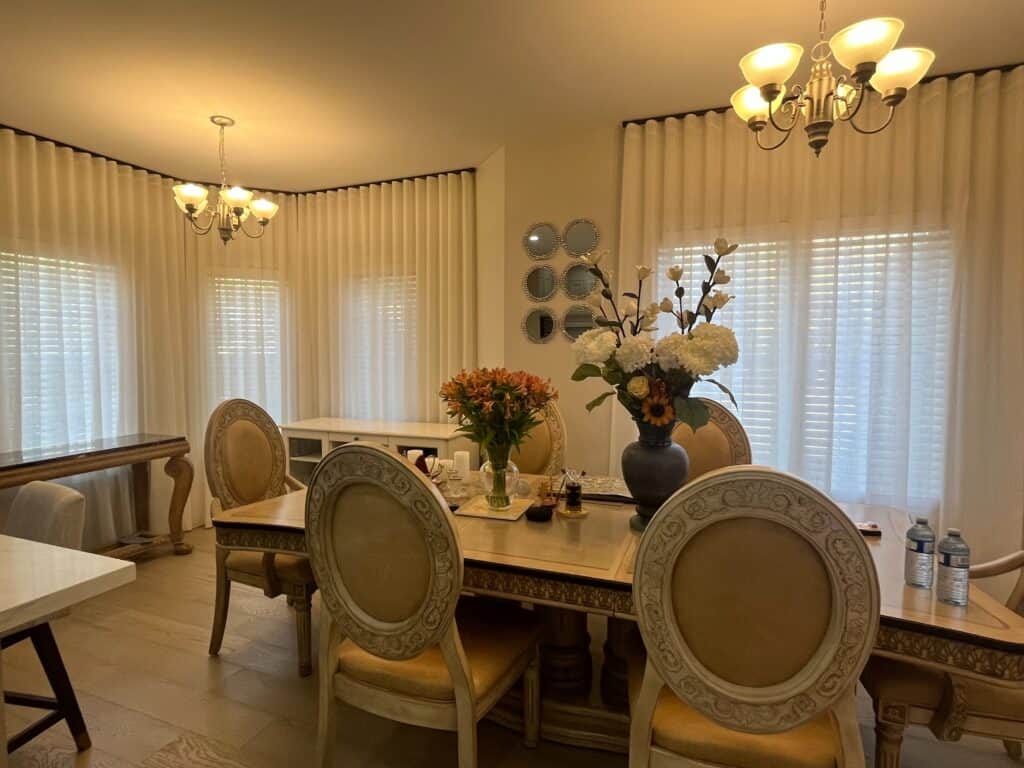
Understanding Energy Efficient Treatments
Fall window treatments are crucial for enhancing your home’s energy efficiency as temperatures begin to drop. By selecting the right coverings, you can significantly reduce heat loss and minimize your reliance on heating systems. These treatments act as an essential layer of insulation, preventing precious warm air from escaping your living spaces.
The importance of energy-efficient window treatments extends beyond mere cost savings on utility bills; they contribute to a more comfortable and sustainable home environment. They work by creating a barrier that slows down heat transfer, keeping your home warmer in the winter and potentially cooler in the summer.
Investing in effective fall window treatments is a smart move for any homeowner looking to optimize their home’s performance. They offer a blend of practical benefits and aesthetic appeal, making them a valuable addition to your home’s defense against the elements and a key component in our Fall Home Decor Trends.
Types of Energy Efficient Window Treatments
A variety of window treatments are designed to boost your home’s energy efficiency, offering different levels of insulation and style to suit any decor. From the intricate structure of cellular shades to the sleek simplicity of roller shades, each type provides unique benefits in the fight against heat loss. For a deeper dive into energy-saving options, explore our guide on best energy efficient window blinds.
- Cellular Shades: Known for their unique honeycomb structure, these shades trap air in pockets, creating an effective insulating barrier that significantly reduces heat transfer.
- Roller Shades: While appearing simple, high-quality roller shades made from insulating materials can provide a solid barrier against drafts and temperature fluctuations.
- Roman Shades: Offering a softer, more decorative look, Roman shades can be made from heavier fabrics that add an extra layer of insulation to your windows.
- Blinds: Whether wood, faux wood, or aluminum, blinds with wider slats and a tight fit can help block drafts and reduce the amount of heat that escapes or enters.
Cellular Shades: The Insulating Champions
Cellular shades, often referred to as honeycomb shades, are highly regarded for their exceptional energy-saving capabilities. Their distinct cellular construction creates multiple air pockets, which act as a natural insulator. This trapped air significantly slows down the transfer of heat, keeping your home warmer during cold weather and cooler during hot spells. The effectiveness of cellular shades is often measured by their R-value, with more complex cell structures generally offering higher insulation.
Roller and Roman Shades: Style Meets Efficiency
Roller shades offer a streamlined and modern aesthetic, and when manufactured with energy-efficient materials, they can provide a substantial barrier against heat loss. Look for options with thicker fabrics or thermal linings for enhanced insulation. Roman shades combine elegance with practicality; their layered fabric construction, especially when using heavier textiles or thermal backing, adds a cozy layer of insulation and can effectively reduce drafts from window frames. These styles are featured in our guide to Fall Window Treatments.
Blinds: Versatile and Effective
Blinds provide a wide range of options for controlling light and enhancing privacy. From classic Venetian blinds to modern vertical blinds, each type offers unique benefits. For instance, horizontal blinds are excellent for directing light, while vertical blinds are ideal for large windows or sliding doors. Many blinds are also designed with energy efficiency in mind, offering an additional layer of insulation. Explore our comprehensive guide on how to pick the right window treatments for your home to find the perfect fit.
Traditional blinds, including Venetian and vertical styles, can also contribute to energy efficiency, particularly when made from insulating materials like wood or cellular materials. The key lies in their ability to be closed tightly, minimizing air gaps. Wider slats offer better coverage and insulation compared to narrow ones. For maximum benefit, ensure blinds fit snugly within the window frame to prevent drafts from bypassing the barrier they create.
Material Matters: Fabric Choices for Insulation
The choice of material significantly impacts a window treatment’s energy efficiency. Heavier, denser fabrics tend to offer better insulation. Look for materials with thermal linings or specific energy-saving properties. The weave and thickness of the fabric play a crucial role in its ability to trap air and block temperature transfer, making fabric selection a vital step in choosing effective window treatments.
How Window Treatments Save Energy
Window treatments save energy through several key mechanisms that directly impact your home’s thermal regulation. They act as a barrier, manipulating the flow of heat and air to maintain a more stable indoor temperature. Understanding these processes can help you make informed decisions about your home’s efficiency. For instance, learning about how to save on electricity bills with the right window coverings is a great starting point.
- Trapping Air: Many energy-efficient treatments, like cellular shades, feature internal pockets or layers designed to trap still air. This trapped air acts as an insulating layer, slowing down the rate at which heat can pass through the window.
- Blocking Drafts: Gaps and cracks around windows are common sources of drafts, allowing cold air to enter and warm air to escape. Properly fitted window treatments create a seal that significantly reduces or eliminates these drafts, maintaining a more consistent interior temperature.
- Reducing Solar Heat Gain: While primarily focused on winter efficiency, some treatments can also help manage solar heat gain during sunnier fall days. By reflecting or absorbing sunlight before it enters the room, they can prevent overheating and reduce the need for cooling.
- Insulating Effect: Fundamentally, window treatments add an extra layer to your window assembly. This added layer increases the overall resistance to heat flow, meaning less heat is lost from your home during colder months.
Choosing the Right Treatments
Selecting the appropriate window treatments is crucial for maximizing energy efficiency and enhancing your home’s comfort. Consider exploring options that offer both style and functionality, such as stylish and energy-efficient window shades to complement your decor.
Selecting the ideal energy-efficient window treatments involves considering several factors unique to your home and environment. Your local climate, the type and condition of your windows, and your personal aesthetic preferences all play a role in determining the best fit.
| Treatment Type | Insulation (Approx. R-Value) | Light Control | Cost (Relative) | Energy Efficiency Focus |
|---|---|---|---|---|
| Cellular Shades (Double Cell) | 3.5 – 4.5+ | Excellent (various opacities) | $$$$ | Superior insulation, air trapping |
| Heavy Fabric Roman Shades (Lined) | 1.5 – 2.5 | Good to Excellent | $$$ | Added fabric layer, draft reduction |
| Well-fitted Roller Shades (Thermal) | 1.0 – 2.0 | Varies (from light filtering to blackout) | $$ | Solid barrier, draft blocking |
| Wood Blinds (Closed) | 0.5 – 1.0 | Good | $$$ | Material insulation, solid barrier |
Benefits Beyond Energy Savings
While energy efficiency is a primary driver for selecting specialized window treatments, the advantages extend far beyond reduced utility bills. These enhancements contribute significantly to the overall comfort, functionality, and aesthetic appeal of your home, creating a more pleasant living environment.
Our experience serving homeowners highlights how much residents appreciate the added privacy and light control features offered by these treatments, especially in bustling neighborhoods. Beyond this, they also provide essential UV protection for your furnishings, which is why exploring window coverings for furnishing protection is a wise choice.
- Enhanced Comfort: By minimizing drafts and stabilizing indoor temperatures, these treatments create a more consistently comfortable living space year-round.
- UV Protection: Many energy-efficient window coverings are designed to block a significant portion of harmful ultraviolet (UV) rays, protecting your furniture, flooring, and artwork from fading and sun damage.
- Improved Privacy: The added layers and materials of these treatments offer a greater degree of privacy, especially when compared to basic window coverings. For privacy solutions, explore our privacy shades for windows.
- Aesthetic Appeal: Energy-efficient options come in a wide range of styles, colors, and materials, allowing you to enhance your home’s decor while improving its performance. For inspiration, explore our Fall Window Treatments.
- Noise Reduction: The layered construction and insulating materials can also help to dampen external noise, contributing to a quieter indoor environment.
DIY vs. Professional Installation
When it comes to installing new window treatments, homeowners often face the decision between a do-it-yourself approach and hiring a professional. Each option has its own set of advantages and considerations, impacting cost, time, and the final result.
- Precision Fit: Professionals have the expertise and tools to ensure treatments are measured and installed with exact precision, maximizing their energy-saving potential and aesthetic appeal.
- Time Savings: Professional installation saves homeowners valuable time, as experienced technicians can complete the job efficiently and correctly.
- Warranty Protection: Many manufacturers require professional installation to validate product warranties, protecting your investment.
- Expert Advice: Professionals can offer valuable insights into the best types of treatments for your specific windows and needs, ensuring optimal performance.
- Safety and Proper Mounting: For larger or heavier treatments, professional installation ensures they are mounted securely, preventing potential safety hazards.
Conclusion and Next Steps
Fall window treatments offer a powerful combination of energy efficiency and style, making them an essential consideration for homeowners preparing for colder months. By understanding the types of treatments available and how they function, you can make informed choices that not only reduce energy costs but also enhance your home’s comfort and beauty. For those looking to maximize their home’s potential, exploring options like custom window treatments to save on electricity can provide significant long-term benefits.
Taking the next step towards a more energy-efficient home is simple. Whether you’re looking to explore the latest trends or need expert advice on the best solutions for your windows, our team is here to help you find the perfect fall window treatments.
Frequently Asked Questions
Here are answers to some common questions regarding fall window treatments and their role in energy efficiency.
| Question | Answer |
|---|---|
| What is the most energy-efficient type of window treatment for fall? | Cellular or honeycomb shades are generally considered the most energy-efficient due to their ability to trap air in multiple pockets, creating a superior insulating barrier. Learn more about energy efficient product spotlight. |
| How do window treatments help keep my home warm in the fall? | They act as an extra layer of insulation, preventing heat from escaping through the windows. They also help block cold drafts that can make a room feel significantly colder. |
| Can blinds be as energy-efficient as shades? | Yes, certain types of blinds, especially those made from insulating materials and fitted snugly, can offer good energy efficiency by reducing drafts and heat transfer. |
| Should I open or close my blinds in the fall? | During colder fall days, keeping them closed, especially at night, maximizes their insulating effect. On sunny days, opening them can allow passive solar heating. |
| Do energy-efficient treatments affect home decor? | Not at all. Energy-efficient treatments are available in a wide array of styles, colors, and materials to complement any interior design aesthetic. |