

Understanding Easy-to-Clean Window Treatments
Easy-to-clean window treatments are essential for maintaining a healthy home environment, particularly for those managing allergies or busy schedules. By selecting materials and designs that require minimal effort to keep tidy, homeowners can significantly improve their indoor air quality. These low-maintenance options are designed to repel dust and stains, making them a practical choice for any household.
For busy households, the ability to quickly wipe down window coverings without extensive effort is a major advantage. Allergy sufferers also benefit immensely, as regular, simple cleaning prevents the buildup of dust mites and other allergens that can exacerbate respiratory issues. Investing in easy-to-clean solutions means less time spent on chores and more time enjoying a fresh, healthy living space. Explore the 5 best easy to clean window treatments to find the perfect fit for your home.
Choosing window treatments that are both easy to maintain and energy-efficient can further enhance your home’s comfort and reduce utility costs. Many easy-to-clean options also boast excellent insulating properties, contributing to a more comfortable interior year-round. Discover how expert window treatment tips can help you achieve a healthier and more comfortable home. Consider stylish and energy efficient window shades that combine functionality with aesthetic appeal.
Top Easy-to-Clean Window Treatment Materials
Selecting the right materials is crucial when prioritizing easy-to-clean window treatments. Different fabrics and finishes offer varying levels of durability, stain resistance, and maintenance requirements. Understanding these properties will help you make an informed decision that suits your lifestyle and cleaning preferences. For instance, faux wood blinds are a popular choice due to their resilience and simple wipe-down surfaces.
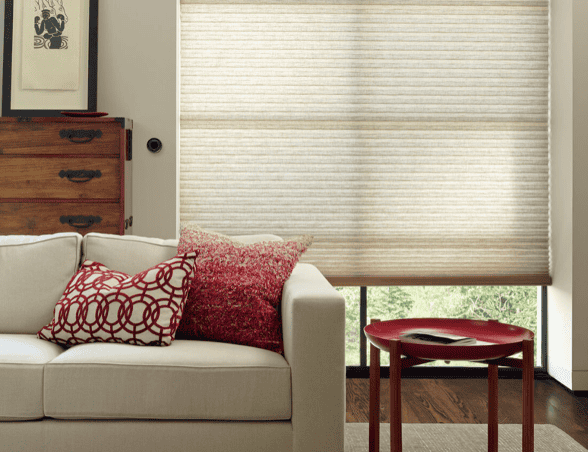
Here is a comparison of common materials used in easy-to-clean window treatments:
Our team has extensive experience helping homeowners find the perfect window treatments. For example, we’ve observed that faux wood blinds are exceptionally popular for their durability and ease of cleaning in many homes. When considering options, a zebra blinds vs roller blinds comparison guide can also be helpful. For those in the Vaughan area, explore why Sun Shades is the top choice for blinds: blinds Vaughan for more.
Maintenance Tips for Effortless Cleaning
Regular maintenance is key to ensuring your window treatments remain clean, functional, and contribute positively to your indoor air quality. Implementing a simple cleaning routine can prevent stubborn stains and the buildup of dust and allergens, prolonging the life of your window fashions. Choosing custom shades for windows can also be a smarter long-term investment, as they are often designed for durability and ease of care. These tips are designed to be practical for any household, making upkeep a breeze.
Daily Dusting & Quick Wipes
For most easy-to-clean window treatments, a daily or every-other-day dusting is sufficient to prevent significant dust accumulation. This can be done with a microfiber cloth, a feather duster, or the brush attachment on your vacuum cleaner. For minor smudges or spills, a slightly damp cloth can often do the trick. It’s important to address spills immediately to prevent them from setting. For specific guidance, consider the Hunter Douglas blinds cleaning guide if you have this brand, or consult general tips for spring cleaning your window fashions. Selecting the right treatments for your home in Newmarket also involves considering ease of maintenance: Newmarket window treatments for more.
Deep Cleaning Methods
Periodically, your window treatments will require a more thorough cleaning. The method will depend on the material. For blinds, this might involve taking them down and washing them in a bathtub or shower, or using a gentle cleaner on a damp cloth. For shades, spot cleaning or vacuuming with an upholstery attachment is often recommended. Always refer to the manufacturer’s instructions before attempting deep cleaning. For comprehensive advice, refer to the Hunter Douglas blinds cleaning guide or general spring cleaning tips. Selecting the right window coverings for your Newmarket home also includes understanding deep cleaning needs, and knowing how to find the best local window treatment stores is key. Newmarket window treatments.
Essential cleaning tools and supplies often include:
- Microfiber cloths
- Mild soap or detergent
- Spray bottle with water
- Vacuum cleaner with brush attachment
- Soft-bristled brush
- Ladder or step stool (if needed)
Preventative Care & Allergy Control
For those concerned about allergies, it’s important to select window treatments that can help improve indoor air quality. Certain materials and designs are better suited for allergy sufferers, and understanding these options can make a significant difference in your home environment. Learn more about how to breathe easy with allergy-friendly window treatments.
Preventative care is crucial for maintaining good indoor air quality and reducing the frequency of deep cleaning. Regularly opening windows when outdoor air quality permits can help circulate fresh air and reduce indoor pollutant concentration. Using air purifiers can also assist in capturing airborne particles before they settle on your window treatments. For specific advice on maintaining your window fashions, consult the Hunter Douglas blinds cleaning guide or general spring cleaning tips. When choosing treatments for your Newmarket home, remember that preventative care contributes to their longevity and that selecting 5 best easy to clean window treatments can simplify upkeep.
Why Choose Easy-to-Clean Window Treatments?
Opting for window treatments that are easy to clean offers a multitude of advantages that extend beyond mere convenience. These benefits contribute to a healthier living environment, save valuable time, and can even be more cost-effective in the long run. Making a conscious choice for low-maintenance window coverings enhances both the aesthetics and the well-being of your home.
Here are the key benefits of choosing easy-to-clean window treatments:
- Saves Time: Reduces the time spent on household chores, freeing up your schedule for more enjoyable activities.
- Reduces Allergens: Simple, regular cleaning prevents the buildup of dust, pet dander, and other allergens, promoting better indoor air quality for allergy sufferers.
- Improves Aesthetics: Consistently clean window treatments contribute to a polished and well-maintained appearance of your home.
- Cost-Effective Long-Term: While some specialized easy-clean materials might have a higher initial cost, their durability and reduced need for professional cleaning or replacement often make them a more economical choice over time. Investing in quality can mean choosing custom shades for windows that are built to last.
- Enhances Durability: Materials designed for easy cleaning are often more robust and resistant to wear and tear, ensuring they look good for years to come.
Finding the best easy to clean window treatments can significantly improve your home’s living environment. When looking for options, consider finding best local window treatment stores to get expert advice and see samples in person.
Window Treatments for Specific Rooms
Certain rooms in the home, such as kitchens and bathrooms, present unique challenges due to higher moisture levels and increased traffic. Selecting easy-to-clean window treatments for these areas is paramount to prevent moisture damage, mold growth, and difficult-to-remove stains. Materials that are water-resistant and can be wiped down effortlessly are ideal. You can find more details on these options in our guide to the 5 Best Easy to Clean Window Treatments.
Here are recommended materials and styles for kitchens and bathrooms:
- Faux Wood Blinds: These are an excellent choice as they are highly resistant to moisture and warping, and can be easily wiped clean with a damp cloth.
- Vinyl/PVC Blinds: Similar to faux wood, vinyl is water-resistant and very easy to clean, making it a practical and budget-friendly option for bathrooms and kitchens.
- Roller Shades (with washable fabrics): Some roller shades are made from synthetic fabrics that can be spot-cleaned or wiped down, offering a sleek and modern look while being manageable.
- Aluminum Blinds: Lightweight and easy to wipe, aluminum blinds are a durable option for areas where quick cleaning is a priority.
For a comprehensive selection, consider the 5 best easy to clean window treatments. Improving your home’s air quality with the right window treatments is a key consideration for any space, including exploring window treatments for better indoor air quality for more. When comparing styles, a zebra blinds vs roller blinds analysis can help you decide. If you’re in the Vaughan area, remember Sun Shades is your #1 choice for quality blinds.
Comparing Easy-to-Clean Options: Blinds vs. Shades vs. Curtains
When it comes to ease of cleaning and maintenance, different types of window coverings offer distinct advantages and disadvantages. Understanding these differences can help homeowners choose the most practical and suitable options for their lifestyle and home environment. While curtains might offer softness, blinds and shades often excel in low-maintenance cleaning.
Here’s a comparison of blinds, shades, and curtains based on ease of cleaning:
| Window Covering Type | Ease of Cleaning (Pros) | Maintenance Challenges (Cons) | Best For |
|---|---|---|---|
| Blinds (e.g., Faux Wood, Aluminum, Vinyl) | Individual slats are easy to wipe down; many materials are moisture-resistant. | Dust can accumulate on slats; requires more frequent dusting for optimal cleanliness. | High-traffic areas, kitchens, bathrooms where frequent wiping is needed. |
| Shades (e.g., Roller, Cellular, Roman) | Many synthetic fabrics can be spot-cleaned or vacuumed; some are wipeable. | Dust can get trapped in folds or cellular structures; some fabrics require professional cleaning. | Living areas, bedrooms where a sleeker look is desired; choose washable fabrics. |
| Curtains/Drapes | Can be machine washed (depending on fabric); offer a soft aesthetic. | Require regular washing to prevent dust and allergen buildup; can be heavy and take time to dry. | Bedrooms, living rooms where fabric texture is a priority, and washing is feasible. |
For a detailed comparison of specific types, consult the Zebra Blinds vs Roller Blinds Comparison Guide. Layering window treatments can add both style and function, as detailed in our Layered Window Treatments Guide for more. Considering brands like Maxxmar can offer numerous benefits: Maxxmar Blinds provide style and functionality.
Beyond Cleaning: Durability and Longevity
The ease with which a window treatment can be cleaned is often directly linked to its durability and overall longevity. Materials designed for low maintenance are typically more robust and better equipped to withstand regular cleaning without showing wear and tear. This means that choosing easy-to-clean options is not just about convenience, but also about making a sound investment in your home’s furnishings.
Investing in quality, easy-to-clean materials often leads to fewer replacements and greater customer satisfaction over time. Our experience serving the GTA has shown that homeowners appreciate window treatments that maintain their appearance and function with minimal fuss. Choosing custom shades for windows ensures a perfect fit and quality construction. Explore the benefits of brands like Maxxmar: Maxxmar Blinds offer excellent durability and style. For homes in Newmarket, understanding the long-term value is key when selecting treatments: Newmarket window treatments. If you are looking for blinds in Vaughan, consider why Sun Shades is the top choice.
Conclusion: Embrace Effortless Style
In conclusion, selecting easy-to-clean window treatments offers a practical and stylish solution for modern homes. These choices significantly contribute to a healthier indoor environment by reducing allergens and dust, while simultaneously simplifying household maintenance. By prioritizing materials and designs that are simple to care for, homeowners can enjoy a beautiful and functional living space with less effort.
Embracing effortless style through low-maintenance window coverings enhances both the aesthetic appeal and the overall comfort of your home. We encourage you to explore the variety of options available to find the perfect fit for your needs. Visit our homepage to start your journey: Sun Shades Window Fashions for more. For expert advice and personalized solutions, please contact us for more. Discover the difference that the 5 best easy to clean window treatments can make in your home.
Frequently Asked Questions
Understanding the benefits and practicalities of easy-to-clean window treatments can answer many common homeowner questions. This section addresses some of the most frequent inquiries to help you make informed decisions about maintaining a healthy and beautiful home environment.
| Question | Answer |
|---|---|
| What are the easiest window treatments to clean? | Generally, materials like faux wood blinds, vinyl blinds, and roller shades made from synthetic, wipeable fabrics are considered the easiest to clean. They resist moisture and dust buildup effectively. |
| How often should I clean my window treatments? | For most easy-to-clean options, a quick dusting or wipe-down weekly is sufficient to prevent significant dust accumulation. Deeper cleaning might be needed every few months, depending on your home environment and allergy concerns. |
| Can window treatments help with allergies? | Yes, easy-to-clean window treatments can significantly help with allergies by reducing the accumulation of dust, pet dander, and other allergens that can become trapped in fabrics and surfaces. |
| Are faux wood blinds good for bathrooms? | Yes, faux wood blinds are an excellent choice for bathrooms because they are highly resistant to moisture and warping, and their smooth surface is easy to wipe clean, preventing mold and mildew growth. |
| Do motorized blinds require special cleaning? | Motorized blinds generally require the same cleaning as their manual counterparts, but care should be taken around the motor mechanism. Always consult the manufacturer’s instructions for specific guidance. You can find a step-by-step guide on installation for these. |