

Maximizing Light with Basement Shades
Basements often present a unique challenge when it comes to natural light, but with the right approach, these spaces can be transformed into bright, inviting areas. Maximizing natural light is key to making any room feel more open and comfortable, and this is especially true for basements which can sometimes feel dim or enclosed. Basement shades play a crucial role in this transformation, offering a versatile solution to control and enhance the light that enters. By carefully selecting and implementing these window treatments, you can significantly improve the ambiance and usability of your basement living areas.
Discovering the potential of your basement begins with understanding how different window treatments can impact the space. Our collection of window treatments is designed to address common basement concerns, from limited light to a desire for a more airy feel. We believe that every homeowner deserves to enjoy ample natural light, and our expertly crafted shades are here to help you achieve just that, turning any basement into a cherished part of your home. Explore how our basement shades can make a remarkable difference.
Why Basement Shades Matter
Properly chosen window treatments are essential for optimizing basement spaces, going beyond mere aesthetics to significantly impact functionality and comfort. Basement shades, in particular, offer a powerful way to control the limited natural light available, preventing the space from feeling cave-like and instead creating a welcoming environment. They are not just decorative elements but crucial tools for managing light, privacy, and even energy efficiency in these often-underutilized areas of a home.
| Shade Feature | Benefit for Basements |
|---|---|
| Light Diffusion | Effectively spreads natural light, reducing harsh glare and brightening the room. |
| Privacy Control | Offers seclusion without completely blocking the limited light source. |
| Insulation | Helps regulate temperature, keeping the basement warmer in winter and cooler in summer. |
| Moisture Resistance | Certain materials can withstand humidity common in basements, preventing mold and mildew. |
| Ease of Cleaning | Low-maintenance options simplify upkeep, essential for areas prone to dust. |
Investing in quality blinds for basement spaces can dramatically change the feel of the area, making it more enjoyable for a variety of uses, from a home office to a cozy family room. We've observed firsthand how the right basement window shades can transform these subterranean levels into desirable living spaces. Choosing affordable basement shades that offer both style and substance ensures that your basement becomes a functional and beautiful extension of your home.
Best Types of Shades for Basement Windows
Selecting the right shades for basement windows is crucial for maximizing the limited natural light and enhancing the overall atmosphere of the space. Different shade types offer unique benefits, from diffusing light to providing privacy, making it important to consider your specific needs. Understanding the pros and cons of each option will help you choose window treatments that best suit the unique environment of a basement.
- Cellular Shades
- Pros. Excellent insulation properties, good light filtering, available in various opacities, energy-efficient.
- Cons. Can be more expensive, some materials may not be ideal for high-moisture areas without proper treatment.
- Roller Shades
- Pros. Simple, clean look, wide range of fabrics and opacities (light filtering to blackout), budget-friendly options available.
- Cons. Less insulation than cellular shades, can be prone to moisture damage if not made from appropriate materials.
- Roman Shades
- Pros. Offer a soft, elegant look, available in various fabrics that can provide light filtering.
- Cons. Fabric can absorb moisture and odors, less insulation compared to cellular shades.
- Faux Wood Blinds
- Pros. Highly resistant to moisture and humidity, easy to clean, durable, provide good light control.
- Cons. Can be heavier than other options, may not offer the same level of insulation as cellular shades.
When choosing basement shades, consider how much light you want to allow and the level of privacy you require. Options like sheer blinds for basement windows can help bounce natural light around the room, making it feel brighter and more spacious. For areas with significant humidity, moisture-resistant materials are paramount.
Cellular Shades for Optimal Light and Insulation
Cellular shades, also known as honeycomb shades, are an excellent choice for basement windows due to their superior insulation capabilities and versatile light-filtering options. Their unique cell structure traps air, acting as a barrier against heat transfer, which is particularly beneficial in basements that can often be cooler in winter and warmer in summer. These shades are available in various opacities, from sheer to light-filtering to blackout, allowing you to control the amount of light that enters while maintaining a desired level of privacy. Their clean, unobtrusive profile makes them a stylish addition to any basement decor.
Roller Shades Offering Simplicity and Style
Roller shades provide a sleek and modern solution for basement windows, offering a straightforward way to manage light and privacy. Their minimalist design ensures they don't overpower the space, making them ideal for smaller basement rooms. Available in a vast array of fabrics, colors, and opacities, roller shades can be selected to either maximize the incoming natural light or provide a cozy, dimmed atmosphere. For basements with higher humidity, choosing materials specifically designed for such environments is recommended to ensure longevity and prevent damage.
Roman Shades for a Touch of Elegance
Roman shades bring a softer, more decorative element to basement window treatments. Their fabric construction offers a touch of sophistication, and they can be found in light-filtering options that allow a gentle diffusion of natural light. While beautiful, it's important to consider the material's suitability for basement conditions, as some fabrics can be more susceptible to moisture and mildew. Opting for treated fabrics or considering Roman shades for drier basement areas can help maintain their appearance and functionality over time.
Faux Wood Blinds for Durability and Moisture Resistance
For basements prone to humidity, faux wood blinds are an exceptional choice due to their inherent resistance to moisture, warping, and fading. Unlike real wood, these blinds are engineered to withstand damp environments, making them a practical and durable option for basement windows. They offer excellent control over light and privacy, allowing you to adjust the slats to achieve the perfect balance. Their ease of cleaning also adds to their appeal, making them a low-maintenance solution for any basement.
Key Features. Moisture Resistance & Insulation
When selecting window treatments for basements, two critical features stand out moisture resistance and insulation. Basements are often more susceptible to humidity and temperature fluctuations than other parts of the home, making shades that can withstand these conditions essential for longevity and comfort. Considering these properties will help you choose how to choose basement shades that not only look great but also perform exceptionally well.
- Moisture Resistance. Materials that do not absorb moisture or are treated to resist it are vital for basements. This prevents mold, mildew, and warping, ensuring your shades remain in good condition.
- Insulation Properties. Shades with good insulation help regulate basement temperatures, keeping them warmer in winter and cooler in summer, contributing to overall energy efficiency and comfort.
- Ease of Cleaning. Basements can accumulate dust more easily, so shades that are simple to wipe down or clean are highly practical.
- Light Filtering Capabilities. The ability to control and diffuse incoming light is paramount for making a basement feel more open and less enclosed. Look for options that offer good light filtering without sacrificing privacy.
- Durability. Given the unique environment, shades made from robust materials that can withstand potential impacts or wear and tear are a wise investment.
Balancing Light and Privacy in Basement Spaces
Achieving the right balance between natural light and privacy is a common challenge in basement spaces, which often have limited window area. Fortunately, various window treatments are designed to address this very need, allowing you to brighten the space while maintaining a comfortable level of seclusion. By understanding the options available, you can ensure your basement feels both open and secure.
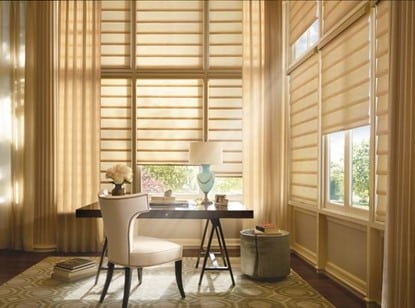
- Sheer Light Filtering Shades. These allow a significant amount of natural light to enter while obscuring direct views from the outside, providing daytime privacy.
- Dual Shade Systems. Combining a sheer shade for light diffusion with a more opaque shade for full privacy offers ultimate flexibility.
- Top-Down/Bottom-Up Shades. These innovative shades allow you to open the top portion for light and view while keeping the bottom closed for privacy, a perfect solution for basement windows.
- Privacy Shades with Light-Filtering Options. Some shades, like certain cellular or roller shades, come in varying opacities, allowing you to select one that lets in ample light while still offering privacy.
Consider privacy shades that let in light that can diffuse the sunlight effectively, preventing glare on screens or direct harshness. Exploring options like sheer light filtering shades can dramatically improve the ambiance of your basement. The goal is to find a window covering that lets light in without compromising the sense of security.
Cordless vs. Corded Shades. Safety & Convenience
When selecting shades for any room, especially basements where safety and ease of use are paramount, understanding the differences between cordless and corded options is crucial. Cordless shades offer a cleaner aesthetic and enhanced safety, while corded shades can provide more precise control and are often more budget-friendly. Evaluating these factors will help you choose the best fit for your basement's unique needs.
| Feature | Cordless Shades | Corded Shades |
|---|---|---|
| Safety | Significantly safer, especially for homes with children or pets, eliminating strangulation hazards. | Can pose a safety risk if cords are accessible to children or pets. |
| Aesthetics | Offer a sleek, modern, and uncluttered look. | Cords can sometimes detract from a clean design. |
| Operation | Typically operated by lifting or lowering the shade directly, or via remote for motorized versions. | Operated by pulling a cord, which can sometimes be cumbersome. |
| Convenience | Easy to operate, often with a simple push or pull. Motorized options add ultimate convenience. | Can be less convenient due to cord management. |
| Cost | Generally more expensive upfront due to the mechanism. | Often more affordable. |
Opting for child safe blinds is a significant advantage, particularly if children or pets frequent the basement area. For ultimate convenience and a modern touch, consider exploring motorized window coverings or smart shades, which offer effortless operation and advanced control.
Measuring and Installing Basement Shades
Accurate measurements and proper installation are vital steps in ensuring your basement shades function perfectly and look their best. Whether you opt for a DIY approach or professional installation, understanding the process is key to achieving a seamless fit and optimal performance. Taking precise measurements will prevent issues and ensure your chosen shades enhance your basement's natural light and overall aesthetic.
- Determine Mounting Type. Decide if you want your shades mounted inside the window frame (inside mount) for a clean, built-in look, or outside the frame (outside mount) to cover the entire window opening and potentially make the window appear larger.
- Measure for Inside Mount. For an inside mount, carefully measure the exact width and height of the inside of your window frame at the narrowest points. Ensure the window frame is deep enough to accommodate the shade mechanism.
- Measure for Outside Mount. For an outside mount, measure the width and height of the area you want the shade to cover, typically extending a few inches beyond the window frame on all sides to ensure minimal light leakage.
- Account for Obstructions. Check for any obstructions within the window frame or surrounding area, such as hardware, trim, or window cranks, that might interfere with the shade's operation.
- Order Your Shades. Based on your measurements and chosen mount type, order your shades. Always double-check your measurements before placing an order.
- Installation. Follow the manufacturer's instructions carefully for installation. This usually involves mounting brackets and then attaching the shade. For DIY installation of natural shades, ensure you have the right tools.
If you're unsure about measuring or installing blinds for basement windows, professional installation ensures a perfect fit and proper function, maximizing the natural light in your space.
Precision Measurement for an Ideal Fit
Accurate window measurements are the foundation for successful shade installation, ensuring your new treatments fit perfectly within or around your basement window frames. For an inside mount, measure the width at the top, middle, and bottom of the window opening and use the smallest measurement. Similarly, measure the height at the left, center, and right, using the longest measurement. For an outside mount, extend your measurements beyond the frame to ensure full coverage and light control. Always account for any window hardware or trim that might impede the shade's movement.
DIY vs. Professional Installation Options
Choosing between a do-it-yourself installation and professional services for your basement shades depends on your comfort level with tools and home improvement projects. DIY installation can save on costs and offer a sense of accomplishment, especially for simpler shade types like basic roller or cellular shades. However, for more complex systems or if you desire a flawless finish, professional installation guarantees expertise, proper tools, and timely completion, ensuring your blinds for basement are installed correctly to maximize their performance and longevity.
Step-by-Step Installation Guide for Roller Shades
Installing roller shades typically involves a few straightforward steps. First, gather your tools, which usually include a drill, screwdriver, measuring tape, and level. Next, attach the mounting brackets to the window frame or wall according to your chosen mount type (inside or outside). Ensure the brackets are level and securely fastened. Then, attach the roller shade to the brackets, often by snapping it into place or securing it with screws. Finally, test the shade's operation to ensure it rolls up and down smoothly, maximizing the natural light effectively.
Conclusion. Transform Your Basement
By carefully selecting the right basement shades, you can unlock the full potential of these often-underutilized spaces. From maximizing natural light and enhancing privacy to improving insulation and adding significant aesthetic value, the impact of appropriate window treatments is profound. Considering features like moisture resistance and ease of operation will ensure your investment provides lasting beauty and functionality.
Don't let your basement remain a dim afterthought. Explore our range of custom window treatments designed to bring light, style, and comfort to every corner of your home. Our experienced team is ready to help you find the perfect solution for your basement, offering expert advice and personalized service. Contact us today to learn more about our services or to schedule a consultation and get a quote.
Frequently Asked Questions About Basement Shades
| Question | Helpful Answer |
|---|---|
| What are the best window treatments for basements to let in light? | Cellular shades, sheer roller shades, and top-down/bottom-up shades are excellent choices for basements as they can diffuse light effectively while maintaining privacy. |
| Are there specific shades that are good for humid basement environments? | Yes, faux wood blinds and roller shades made from moisture-resistant materials are ideal for basements prone to humidity, as they resist warping and mildew. |
| How can I make my basement feel less like a basement with window treatments? | Using lighter-colored shades, light-filtering fabrics, and top-down/bottom-up options can significantly brighten the space and create a more open atmosphere. |
| Should I choose cordless or corded shades for my basement? | Cordless shades are generally recommended for basements, especially if children or pets are present, due to their enhanced safety features and cleaner appearance. |